Help
Got Questions About Nutrition? Expert Answers Here

What is sports nutrition?
Sports nutrition focuses on optimizing diet to enhance athletic performance, recovery, and overall health. Proper nutrition supports muscle development, increases energy levels, and reduces injury risk. Athletes require strategic meal planning with balanced macronutrients and micronutrients tailored to their specific training demands and goals.
Why is nutritional planning important?
Nutritional planning maximizes your training results and accelerates recovery. Without proper nutrition, even intense workouts yield limited benefits. A personalized nutrition strategy ensures you consume adequate protein for muscle repair, carbohydrates for energy, and healthy fats for hormone production and overall wellness.
What are the key macronutrients athletes need daily?
The three essential macronutrients for athletes are protein, carbohydrates, and fats. Protein builds and repairs muscle tissue, carbohydrates provide sustained energy for workouts, and healthy fats support hormone balance and inflammation reduction. The optimal ratio depends on your sport, training intensity, body composition goals, and individual metabolism.
How much protein should athletes consume daily?
Most athletes require one point six to two point two grams of protein per kilogram of body weight daily. This supports muscle protein synthesis after strength training. The amount varies based on training frequency, intensity, and your specific sport. Distribute protein intake throughout the day for optimal muscle recovery and growth benefits.
What role do carbohydrates play in athletic?
Carbohydrates are your primary energy source, especially during high-intensity training. They replenish muscle glycogen stores and support mental focus. Choose complex carbohydrates like whole grains, oats, and sweet potatoes for sustained energy. Time carbohydrate intake around workouts to maximize performance and recovery results.
Why are healthy fats essential for athletes?
Healthy fats reduce inflammation, support hormone production, and enhance nutrient absorption. They provide concentrated energy and improve cardiovascular health. Include sources like avocados, olive oil, nuts, and fatty fish in your diet. Despite common misconceptions, fats are crucial for optimal athletic performance and overall wellness.
Customize these nutrition questions and answers for your specific needs
What are micronutrients and their roles?
Micronutrients include vitamins and minerals that regulate muscle function, bone health, and immune response. Iron transports oxygen, calcium builds strong bones, and antioxidants reduce exercise-induced stress. Athletes often need higher micronutrient intake due to increased physical demands and metabolic activity.
When should athletes eat before training?
Eat a balanced meal two to three hours before training, or a light snack thirty to sixty minutes prior. Pre-workout nutrition should include carbohydrates for energy and moderate protein. Avoid heavy, high-fat foods that may cause discomfort. Proper timing enhances performance, endurance, and training quality significantly.
What should post-workout nutrition include for recovery?
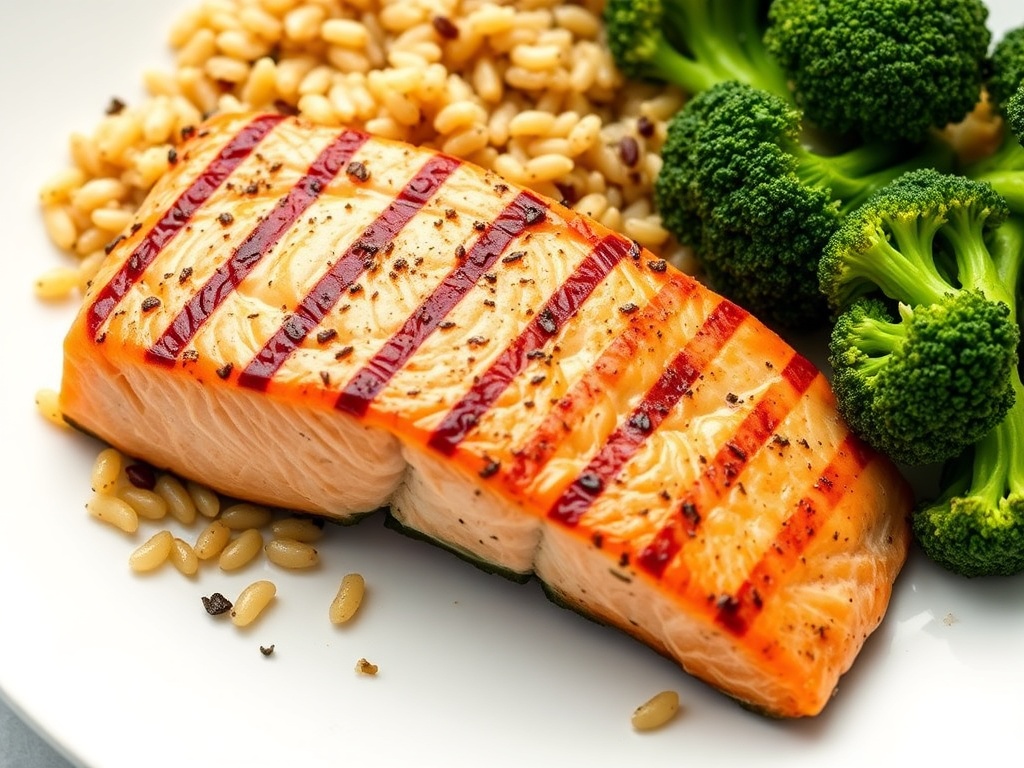
Post-workout meals should combine protein and carbohydrates within thirty to ninety minutes after training. This window supports muscle repair and glycogen replenishment. Include a protein source like chicken or Greek yogurt with carbohydrates like rice or fruit. Proper post-workout nutrition accelerates recovery and improves adaptation.
How important is hydration for athletic performance?
Hydration is fundamental for athletic success, affecting strength, endurance, and mental focus. Dehydration reduces performance and increases injury risk. Drink water consistently throughout the day and during training. Electrolytes support hydration balance during prolonged exercise. Individual needs vary based on climate, intensity, and body composition.
Should athletes use supplements or whole foods?
Whole foods should form your nutrition foundation, providing complete nutrient profiles and beneficial compounds. Supplements fill specific gaps when whole foods prove insufficient. Protein powder, creatine, and omega-three supplements are research-backed options. Consult a nutritionist before starting any supplementation protocol.
How does body composition affect nutrition needs?
Body composition influences caloric and macronutrient requirements. Muscle tissue requires more energy than fat, so athletes with higher muscle mass need more calories. Individual metabolism, age, and training goals also affect nutritional needs. A personalized nutrition plan accounts for your unique body composition and goals.


Get your personalized nutrition plan today
Expert nutritionists with 15+ years of sports experience